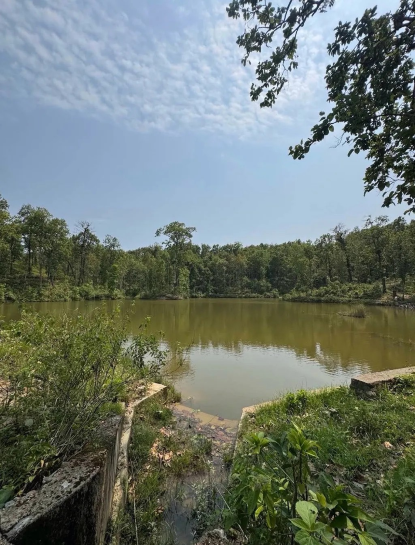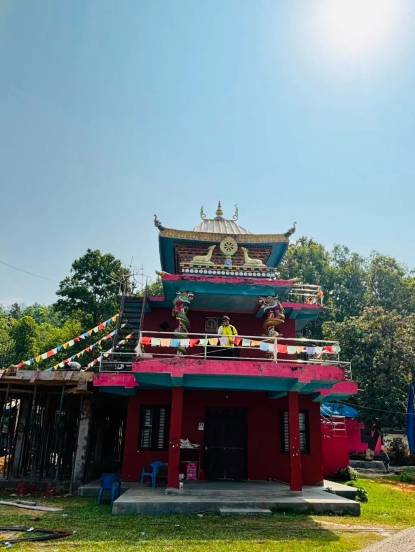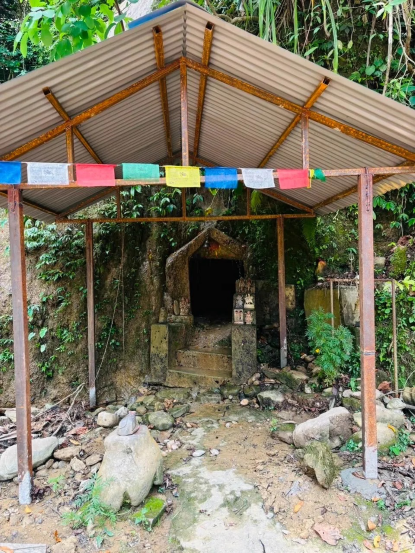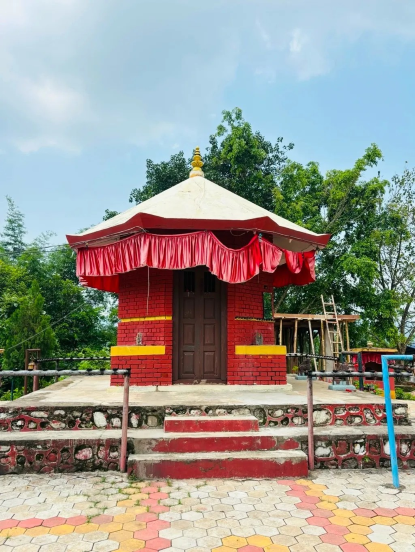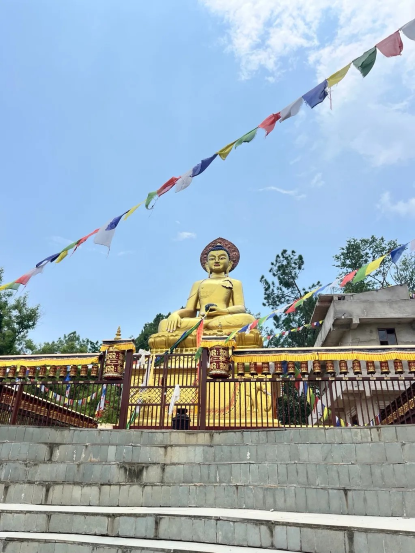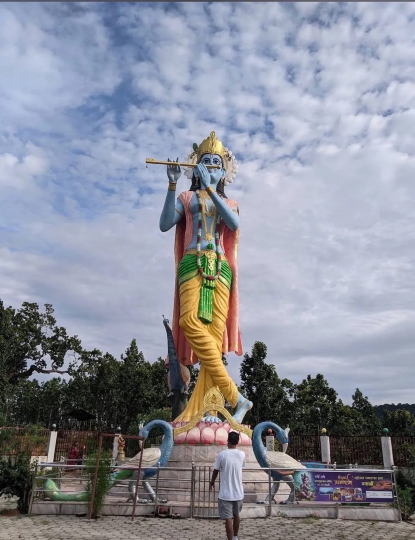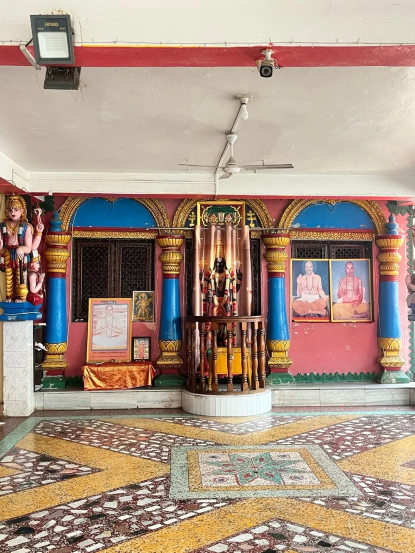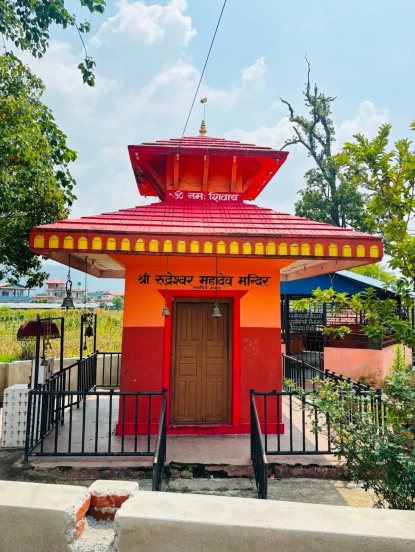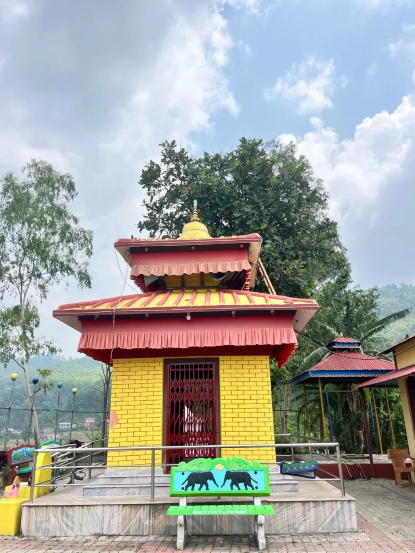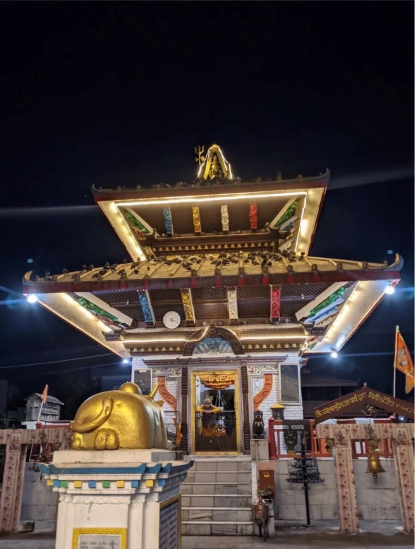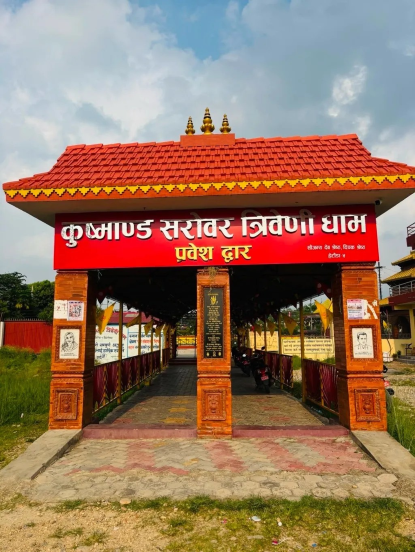
Kushmanda Sarowor Triveni Dham is located in Hetauda Sub-Metropolitan City, Ward No. 9. According to the Skanda Purana, towards the end of the Dwapara Yuga, the five Pandavas bathed, performed evening rituals, offered oblations, and gave donations to the gods at Triveni Dham, the confluence of three rivers: Ratnavati (Rapti), Karnavati (Karra), and Kushbahini (Kubreni). Over time, this place lost its recognition and failed to remain a prominent religious site. To reinstate the lost Kushmanda Sarowor, under the leadership of Pandit Devi Prasad Koirala on September 8, 2009 (Bhadra 23, 2066 BS), the area was named Kushmanda Sarowor Triveni Dham. Since 2009, it has been celebrating the month-long Makar Mela during Makar Sankranti and annual worship festivals on Kartik Shukla Navami (Kushmanda Navami), believed to be the first day of creation. The Skanda Purana identifies this place as the abode of Kushmanda Bhagawati, the fourth among the Navadurga, and the Kushmanda Sarowor. Described in the Uttara Khanda of Skanda Purana, Nepal Mahatmya, Himavatkhanda, and the Mahabharata's Parvas, this zone is revered as a prime spiritual center capable of granting Siddhi (spiritual accomplishments). It is traditionally believed since the Satya Yuga that offering an ash gourd (Kubhindo) here pleases Lord Laxminarayan. On this sacred day, it is believed that gods descend from heaven, and performing ancestral rituals, penance, praises, and meditation facilitates the salvation of ancestors, giving Kushmanda Navami massive religious significance. Consequently, the Kushmanda Sarowor Triveni Dham Development Committee was formed in 2009 under the chairmanship of Ishwari Prasad Neupane. With aid from the Department of Tourism, District Development Committee, Hetauda Municipality, Hetauda Cement Industries Ltd., various organizations, and devotees, a Bhajan House, administrative office, Bhagawati Temple, and the Kushmanda lake equipped with boating facilities were built. Additionally, 108 Gaumukhi (cow-mouthed) stone spouts and a statue of Shesh Naag were established in coordination with the National Religious Assembly Nepal, Makwanpur. Every year on Nag Panchami, a special ritual is conducted to remove the Kaal Sarp Dosha. Etymologically, the word 'Kushmanda' means the one who absorbs or destroys the world filled with three types of miseries (taap). Its derivation explains 'Kushma' as the distressing world under three afflictions, and 'Kanda' or 'Anda' implies that this entire universe rests within her womb; she destroys worldly miseries to liberate her devotees from earthly bonds. (Source: Dr. Swami Ramananda Giri's detailed articles in Hetauda Sandesh Daily dated 2073/6/18 on the origin of Navadurga and 2073/7/25 on Navadurga and Kushmanda). For visitors, tea and snack stalls are available. The Dham can be reached from Hetauda Bazaar via tempo by traveling 2 km across the Rapti Bridge or 4 km via Karra.